
4 Green Power
Introduction to Green Power
Green power refers to energy derived from natural, renewable resources that produce little to no environmental impact during generation. Unlike traditional fossil fuels—such as coal, oil, and natural gas—which release massive amounts of carbon dioxide and harmful pollutants into the atmosphere, green energy harnesses inexhaustible forces like sunlight, wind, water, and geothermal heat. By tapping into these clean alternatives, society can significantly reduce its carbon footprint, combat global climate change, and preserve precious ecosystems for future generations.
4 Green Power is about the transition from a life that has depended on using power and energy from sources that have had a negative, or at best a passive, effect on the environment, to one that has a positive impact on the plants, animals, and fungi around us. That transition will require individuals to understand and make choices that, when combined, can make a difference.
Power Generation of the Past
Since the start of the Industrial Revolution, we in the developed world have used energy by unlocking vast amounts of high-carbon sources, fossil fuels such as coal, oil, and natural gas. As a result, we have released large amounts of greenhouse gases and other pollutants into the atmosphere. This process has disrupted the natural balance of biological systems, which require slower, more gradual change that they can accommodate and adjust to.
Defining Green Power
Green power refers to electricity generated from renewable and environmentally friendly energy sources that naturally replenish over time. Common sources include sunlight, wind, flowing water, geothermal heat, and sustainably produced biomass. Unlike fossil fuels such as coal, oil, and natural gas, green power produces little or no greenhouse gas emissions during electricity generation. It reduces air pollution, helps combat climate change, and conserves natural resources. Green power also supports sustainable development by reducing dependence on limited fossil fuels and encouraging cleaner technologies. Using green power can create jobs, improve energy security, and contribute to a healthier environment for present and future generations.
To be truly green, we need to consider the entire life cycle of the equipment and processes that produce power. Such aspects os saucing the materials, manufacturing equipment, and end-of-life disposal need to be factored in.
Why Green Power is Essential
Green Power generation has now become a priority to offset the damage already caused and the growing ecological disaster unfolding around us. Understanding green power requires looking at what the term truly represents, why transitioning to it is vital, how clean technologies operate, and how they fundamentally contrast with legacy power generation methods.
Main sources of Green Energy
The Sun provides almost limitless energy to our planet and ultimately can be considered the source of all our energy. Even without human intervention, it provides heat and light in just the right amounts to make planet Earth habitable. Of course, it isn’t perfect, as parched deserts and ice-covered extremities make a significant part of Earth almost uninhabitable.
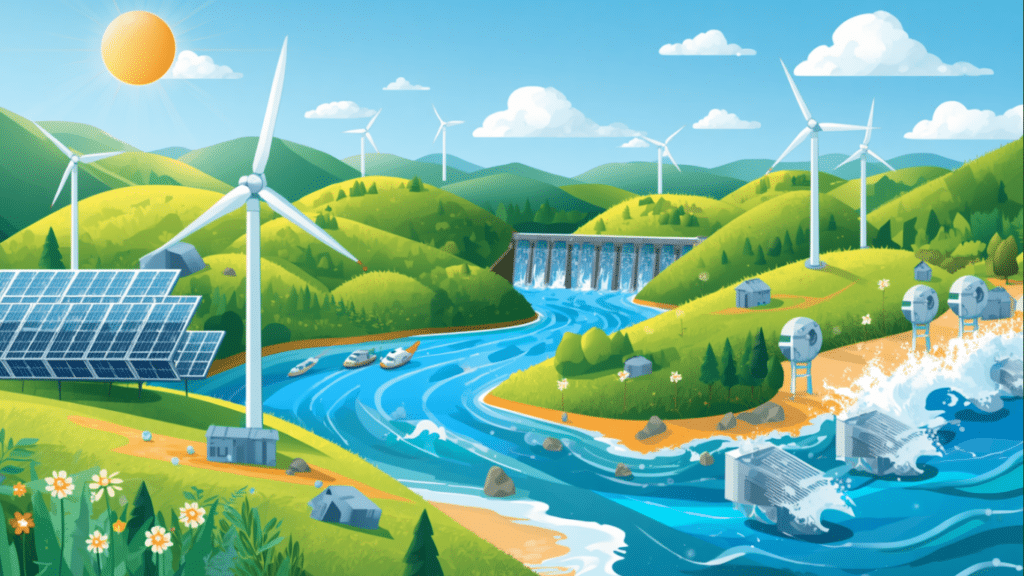
The key to good green energy production is collecting the energy we need, where we need it, without making extreme climate conditions worse. Maybe even reducing such extremes. We can do this by working with Earth’s natural processes. We collect direct sunlight and convert it into electricity or hot water. We use the vast amounts of water the sun collects and deposits on high ground to produce hydroelectric energy. The churning oceans and tides have incredible energy that can be harnessed to produce power. Where the Earth’s crust is thin, geothermal energy can generate electricity or provide hot water for heating. Plants store the sun’s energy and can provide a green source of biofuels to replace crude oil.
Core Technologies of Green Power
Green power is a cycle that can include: generation, conversion, storage, distribution, and usage.
The key technologies in generation are:
- Solar power. Converting the sun’s energy directly into electricity using photovoltaic panels.
- Solar power. Concentrating solar energy using mirrors or lenses to produce superheated steam to generate electricity using a conventional turbine.
- Wind power. Different kinds of wind turbines use available wind to generate electricity directly.
- Wind power. Uses wind to produce rotary motion that can be converted into reciprocating motion to pump liquids, such as water, without electricity.
- Hydro power. Uses energy from flowing water released from a natural or dammed lake source, or a flowing watercourse, by running it through a turbine to produce hydroelectric power.
- Geothermal power. Using heated water from natural hot springs or boreholes to generate electricity or directly heat buildings.
- Biofuel energy. Converts sustainable biomass into fuels that can generate heat or electricity. This can be a two-stage process in which energy is stored as biogas or biofuel until it is needed for generation.
- Marine energy. Multiple methods can extract energy from seas and oceans. Tidal streams, tidal range, and wave movement.
The key technologies used in energy storage.
One of the main differences between past power generation and renewable power options is that generation is governed by the supply side rather than the demand side. For example, solar power depends on when the sun shines, whereas fossil fuel generation can be fired up to match power demand.
Once generated, electricity can be stored in batteries or used to pump water or gas to storage areas, which can be released to regenerate electricity when needed. Depending on the technologies used, these storage systems can deliver power within seconds if demand surges.
The Future of Green Power
Given the need to reduce CO2 emissions, we will need to produce green power for the foreseeable future. Whatever the differential cost between old and new, the investment in renewable green energy will continue. This includes not only deploying existing technologies but also developing new, more efficient ways to generate and store energy.
Perhaps the main expansion will be personal investment in equipment to maintain an off-grid energy system or a backup should the general supply fail.